If your wisdom teeth are trapped beneath your gums, you may wonder whether you can be asleep during removal. If you are looking for a dentist in Coquitlam, understanding the difference between IV sedation and laughing gas can help you prepare. The right option depends on your health and the complexity of the extraction.
What Are Impacted Wisdom Teeth?
Wisdom teeth are the last molars at the back of your mouth. If there is not enough room for them to emerge, they may remain partly or completely beneath the gums. This is called impaction.
Impacted teeth may cause jaw pain, swollen gums, food trapped, recurrent infections, or damage to a neighbouring molar. Others cause no symptoms.
An examination and dental imaging help assess the tooth’s position and whether removal is needed. Impacted wisdom teeth in Coquitlam may be monitored or removed depending on the findings.
Can You Be Asleep for Wisdom Teeth Removal?
Sedation can make you sleepy and less aware of the procedure, but it does not always mean you are unconscious. With moderate IV sedation, you may still respond to instructions and remember little afterwards. Deeper sedation reduces awareness further and requires appropriate monitoring. General anaesthesia is different because it causes unconsciousness.
Local anaesthetic is also used to numb the area. Sedation helps manage anxiety, while local anaesthetic helps prevent pain during extraction.
IV Sedation for Wisdom Teeth Removal
IV sedation is given through a small tube placed into a vein. It works relatively quickly, and the provider can adjust the medication during treatment based on your response.
If you are considering IV sedation for wisdom teeth removal in Coquitlam, the medication can make you very sleepy, and you may remember little about the treatment. Your vital signs are monitored while the provider adjusts the dose as needed.
IV sedation may be considered for several extractions, a more involved procedure, or significant dental anxiety. It does not guarantee complete unconsciousness. Your health and the procedure determine whether it is appropriate.
How Does Laughing Gas Work?
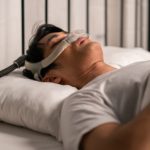
Laughing gas, or nitrous oxide, is mixed with oxygen and breathed through a small mask over your nose. It can ease anxiety while you remain awake and able to respond to the dental team.
The effects begin within minutes and usually wear off quickly after the mask is removed and you breathe oxygen.
Nitrous oxide for wisdom teeth removal may suit someone who feels nervous but can remain comfortable and cooperative. Laughing gas does not put you to sleep. If the extraction is complex or deeper sedation is needed, it may not provide enough support on its own.
IV Sedation vs Laughing Gas: What Is the Difference?
Both options reduce anxiety, but the level of awareness differs.
- IV Sedation: Medication enters a vein and can produce deeper relaxation. The provider can adjust the dose during treatment.
- Laughing Gas: You breathe the gas through a nasal mask. You remain awake, can respond to instructions, and usually recover quickly after it is stopped.
Neither option is automatically better. A straightforward extraction may call for a different approach from surgery involving several impacted teeth. If you are comparing sedation for oral surgery near North Road, ask what level is available and whether it suits your procedure. A dentist near you can explain the options based on your treatment needs.
Why Might You Need a Wisdom Teeth CBCT Scan?
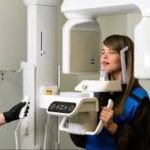
A cone beam computed tomography (CBCT) scan creates a three-dimensional image of your teeth, jawbone, and nearby structures when regular X-rays do not provide enough detail.
A wisdom teeth CBCT scan may show how close an impacted tooth is to important structures, such as nerves in the lower jaw. It is only recommended when the added detail may help with treatment planning.
What Should You Expect Before and After Sedation?
Tell the dental team about your medical conditions, medications, allergies, and any previous reactions to sedation or anaesthesia. Follow their instructions about eating and drinking, as these vary with the sedation method.
After IV sedation, someone will need to take you home. You may feel sleepy for several hours. Follow advice about driving, work, alcohol, and other activities. Laughing gas usually wears off much sooner.
Some jaw soreness, stiffness, and swelling are common after removal. Choose foods that are comfortable to chew. Contact your dental team if bleeding continues or pain worsens.
Discuss Your Wisdom Teeth Removal Options
Your sedation needs depend on your health and the procedure. Contact Coquitlam Dental Group to discuss your concerns and learn which options may be suitable.
Frequently Asked Questions
Does IV Sedation Put You Completely to Sleep?
Not always. IV sedation can make you very drowsy and less aware of treatment, but you may remain responsive. General anaesthesia causes unconsciousness.
Can Laughing Gas Put You to Sleep During Wisdom Teeth Removal?
No. Laughing gas helps you relax while remaining awake and able to respond to instructions.
Is IV Sedation Better for Impacted Wisdom Teeth?
It depends on the tooth position, surgical complexity, health history, and anxiety level. Your dentist can explain whether IV sedation or another option is appropriate.
Do All Impacted Wisdom Teeth Need to Be Removed?
No. Some can be monitored if they are healthy and not causing problems. Removal may be recommended if they cause pain, infection, or damage.