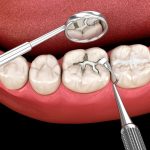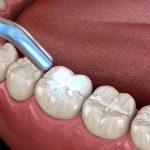
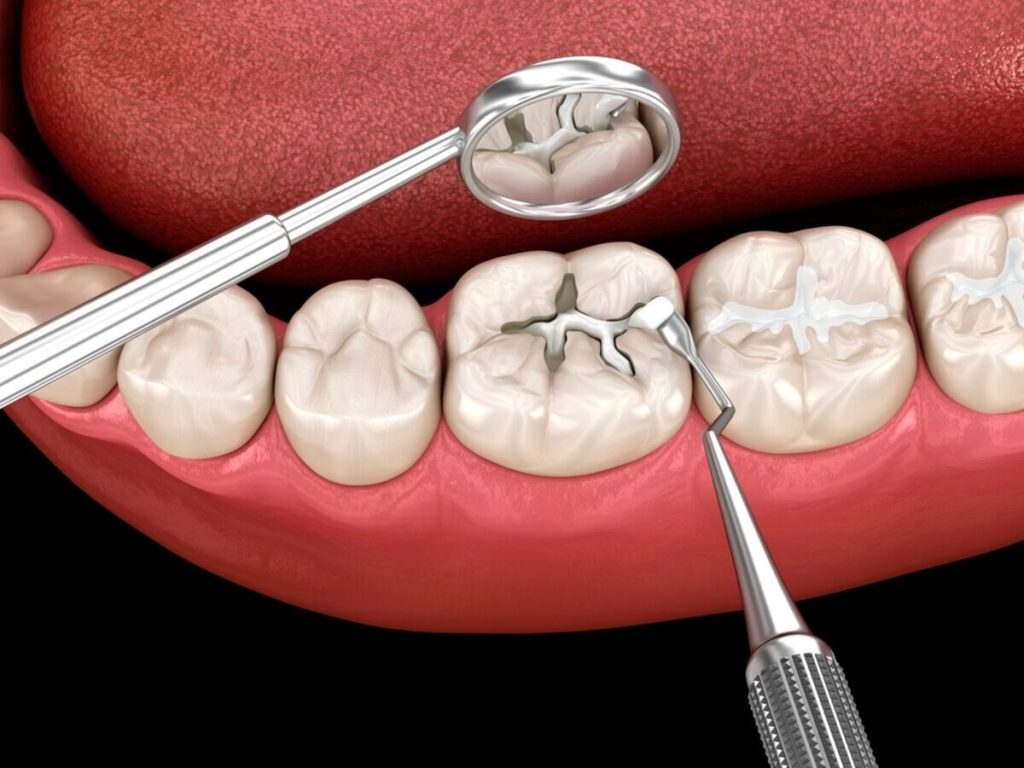
Getting a dental filling can feel scary if you are afraid of the needle used to numb your tooth. The good news is that there are ways to make the injection more comfortable. A dental clinic in Coquitlam can explain how the numbing medicine works and how to make you feel more at ease. A filling repairs a tooth damaged by decay. Before cleaning out the decay, the dentist may give you a local anaesthetic to numb the area. You may feel a small pinch or some pressure when the needle goes in. The medicine helps prevent pain during treatment. Everyone’s experience may be a little different.
If you are afraid of needles and have delayed getting a filling, tell your dental team before treatment. Numbing gel, gentle injections, and clear explanations may help you feel more comfortable during your visit.
Can You Get a Filling Without Feeling the Needle?
You may feel much less of the injection, but we cannot promise you will feel nothing. The goal is to reduce discomfort as much as possible.
Before giving the injection, the dentist may apply a numbing gel to the gum. This can numb the surface and reduce the feeling of the needle entering the tissue. The gel does not numb the deeper area on its own, so an injection may still be needed for many fillings.
Other steps may include:
- Applying the gel and allowing enough time for it to work.
- Injecting the medicine slowly.
- Using a gentle technique and checking your comfort.
- Pausing if you need a break.
Tell the dental team if you feel nervous or have had a difficult experience with injections in the past.
How Does Numbing Medicine Work?
Local anaesthetic temporarily blocks pain signals from the treated area. This allows the dentist to remove decay and place the filling with less discomfort.
You may notice pressure, movement, or vibration from dental tools even when the tooth is numb. These feelings are different from sharp pain. If you feel pain during treatment, raise your hand so the dentist can stop and check whether more numbing medicine is needed.
A painless dental injection is a common goal, but each person responds differently. The type of tooth, the size of the cavity, and the amount of inflammation can affect how well the medicine works.
What Can Make the Injection More Comfortable?
A few simple steps may help reduce fear and discomfort during the injection.
- Ask about numbing gel: it may reduce sensation on the gum surface.
- Agree on a stop signal: Raising your hand lets the dentist know you need a pause.
- Breathe slowly: Take slow, deep breaths to help you feel calm.
- Take your time: Give the numbing medicine time to take effect before treatment begins.
- Share your worries: Tell your dentist what makes you nervous, whether it is the needle, the procedure, or an experience.
A dental clinic in Coquitlam can discuss these options before treatment and help you understand what to expect.
Are All Dental Fillings the Same?
No. The type of filling depends on the tooth, the size of the cavity, and how much healthy tooth remains. Tooth-coloured composite fillings are often used because they can blend with natural teeth. Other materials may be suitable in certain situations.
The process usually involves:
- Examining the tooth and checking the extent of decay.
- Numbing the area if needed.
- Removing the decayed part of the tooth.
- Placing and shaping the filling.
- Checking your bite and making any needed adjustments.
For dental fillings in Coquitlam, the treatment plan should reflect the condition of the tooth rather than the material alone. Small cavities may need less treatment than larger or deeper ones.
What If You Are Still Afraid of the Needle?
Dental anxiety is common, and you do not need to hide it. Tell the dentist what makes you uncomfortable and ask what can be done to help you feel more in control.
Depending on your needs and the clinic’s services, options may include extra time to discuss the procedure, planned breaks, or other ways to manage anxiety. Sedation may be suitable for some patients, but it is not needed for everyone and does not replace local anaesthetic when numbing is required.
A painless dental injection may not be completely sensation-free, but careful technique and good communication can make the experience easier to manage.
Make Your Next Filling Visit Feel More Manageable!
Feeling nervous about the needle should not stop you from getting a cavity treated. Understanding the steps beforehand and discussing your concerns can help you feel more prepared. Coquitlam Dental Group can explain available numbing options, answer your questions, and help you feel more at ease during treatment. Book your appointment today to discuss your concerns and plan your filling with greater confidence.
FAQs
Does numbing gel replace the needle?
Usually, no. Numbing gel makes the gum at the top numb. An injection numbs the deeper area around the tooth.
Will a filling hurt after the injection?
You should feel much less pain during treatment. You may still feel pressure or vibrations. If you feel sharp pain, tell your dentist so they can check the area.
How long does the numb feeling last?
It depends on the medicine used and the area treated. Numbness may last for a few hours, so avoid chewing or drinking hot liquids until normal feeling returns.
Can every cavity be filled without an injection?
Some small cavities may be treated without an injection, depending on their depth and location. Deeper decay may require a local anaesthetic for comfort.