It can be worrying when a tooth hurts after getting a new filling, especially when the pain appears while biting or chewing. Some discomfort can happen after treatment as the tooth settles, but pain when you bite down may have a specific cause that needs attention. A dental clinic in Coquitlam can check the tooth and filling to find out why the discomfort is happening.
The cause can be something simple, such as a filling that is a little too high, or irritation inside the tooth. The type and timing of the pain can give useful clues. Mild sensitivity that slowly gets better may not be a serious concern, but pain that lasts or gets worse should be checked by a dentist.
Why Does a Filling Hurt When You Bite?
One common reason is that the new filling may be slightly higher than the natural tooth surface. When you bite, that tooth may receive more pressure than it should.
This can make the tooth feel sore each time you chew. The problem may be easier to notice when eating harder foods or when the teeth come together.
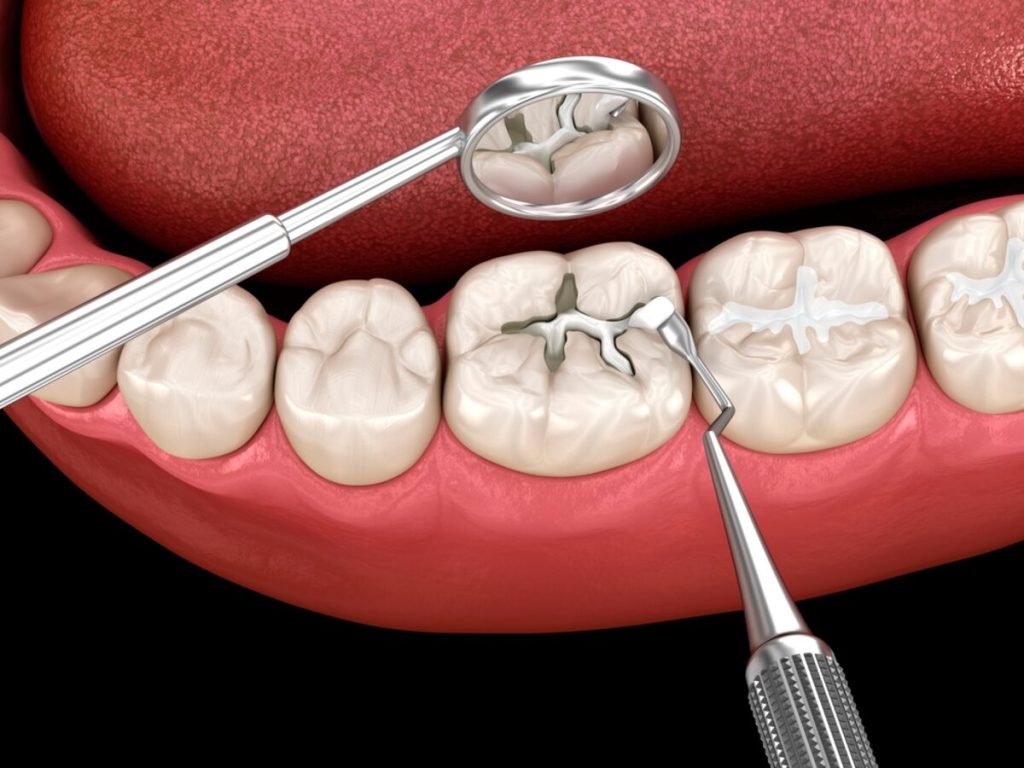
If the bite feels different after a filling, dental fillings in Coquitlam can be checked and adjusted when needed.
Can a Deep Filling Cause Pain?
Yes. A filling that is close to the inner part of the tooth can sometimes irritate the sensitive tissue inside. This may cause discomfort after treatment.
The tooth may be more sensitive to pressure, cold, or heat. In some cases, this sensitivity improves as the tooth settles.
However, ongoing or worsening pain may mean that the tooth needs another examination.
What Does a High Filling Feel Like?
A filling that is slightly too high may cause a noticeable change in your bite. You may feel that the filled tooth touches the opposite tooth before the others do.
You may also notice:
- Pain when biting down
- Soreness when chewing
- A feeling that the tooth hits first
- Discomfort that happens mainly when the teeth meet
A dental clinic near you can check how your teeth come together and determine whether the filling needs a small adjustment.
How Long Should Pain After a Filling Last?
The answer depends on the condition of the tooth and the type of filling. Mild sensitivity may last for a short period and gradually improve.
Pain that stays the same, becomes stronger, or continues for longer than expected should not be ignored. Severe pain, swelling, or pain that starts without biting may require more detailed evaluation.
Do not assume that ongoing pain is simply part of healing.
Could the Tooth Have Another Problem?
Sometimes the filling is not the main reason for the pain. The tooth may have had more serious damage before the filling was placed.
Possible concerns can include:
- Decay that was close to the inner part of the tooth
- A crack in the tooth
- Irritation or damage inside the tooth
- Problems with the filling or the tooth around it
A dental clinic in Coquitlam can examine the tooth and decide whether further testing or treatment is needed.
What Should You Do If Your Filling Hurts When Chewing?
Start by avoiding hard or very chewy foods on the affected side. Give the tooth some time if the discomfort is mild and improving.
You should arrange a dental checkup if:
- Pain continues or gets worse.
- Your bite feels uneven.
- You cannot chew normally.
- The tooth becomes very sensitive.
- Swelling develops
- Pain occurs without eating or biting.
Do not try to file down or adjust the filling yourself.
Can a Filling Be Adjusted If It Feels Too High?
Yes. If the filling is making the tooth hit too early, a dental professional may be able to make a small adjustment to its shape.
The adjustment is done carefully so the filling continues to protect the tooth. Once the bite is balanced, pressure on the tooth may be reduced.
If the problem is not related to the bite, dental fillings in Coquitlam may need a different type of assessment or repair.
Get Persistent Filling Pain Checked!
Some discomfort after a filling can improve with time, but pain that continues or affects your bite deserves attention. Checking the tooth can help identify the cause and prevent a small concern from becoming a larger dental problem.
Book an appointment with Coquitlam Dental Group to have your tooth and new filling assessed and find out what may be causing the pain when you bite or chew.
FAQs
Is it normal for a new filling to hurt when chewing?
Mild discomfort can occur after a filling, but pain specifically caused by biting should be assessed if it does not improve or if it becomes worse.
Why does my filled tooth hurt only when I bite?
A slightly high filling can place extra pressure on the tooth when you bite. Other problems, such as a crack or deeper irritation, can also cause pain.
Should you wait if the pain is getting worse?
No. Increasing pain should be checked rather than ignored. An examination can help identify whether the filling, tooth, or inner tissue is causing the problem.
Can a filling cause tooth sensitivity?
Yes. Some teeth may be sensitive to cold, heat, or pressure after a filling, particularly when the filling is close to the sensitive inner part of the tooth.