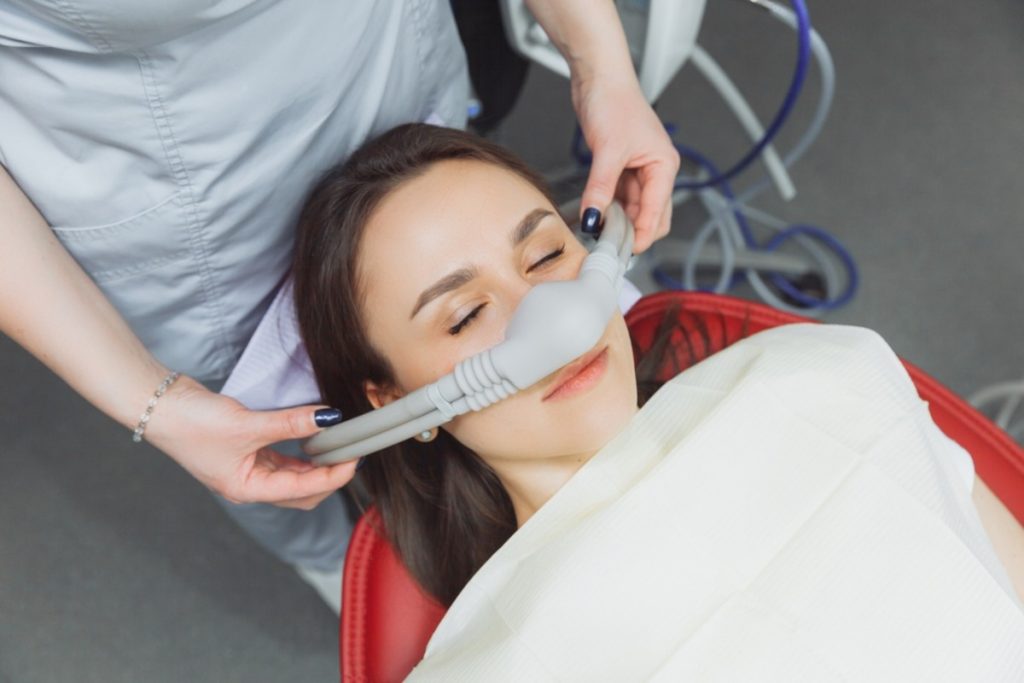
Many people feel nervous about visiting the dentist. For some, that nervousness is so strong that they avoid dental care altogether. If that sounds familiar, sedation dentistry might be something worth exploring. It helps patients feel calm and relaxed during dental procedures. If you are near a dental clinic in Coquitlam, understanding how sedation dentistry works – and whether it is right for you – is a great place to start.
What Is Sedation Dentistry?
Sedation dentistry uses medication to help patients relax during dental treatment. It does not always mean you are fully asleep. In most cases, you are awake but in a deeply calm and comfortable state.
It is sometimes called “sleep dentistry,” but that term is a little misleading. Most forms of sedation keep you conscious and able to respond to your dentist. Only general anesthesia puts you into a fully unconscious state.
Who Is Sedation Dentistry For?
Sedation dentistry is not just for people with extreme fear. It can be helpful for a wide range of patients.
You might benefit from sedation if you:
- Feel anxious or nervous about dental visits
- Have had a bad dental experience in the past
- Have a strong gag reflex that makes treatment difficult
- Need a lengthy or complex procedure done
- Have sensitive teeth or low pain tolerance
- Find it hard to sit still for long periods
- Have not visited a dentist in a long time and feel overwhelmed
It is also sometimes used for children who struggle with anxiety during dental visits.
What Types of Sedation Are Used in Dentistry?
Sedation dentistry in Coquitlam is offered at varying levels depending on the patient’s needs and the type of procedure being done. Here is a simple overview:
Nitrous Oxide (Laughing Gas)
This is the mildest form of sedation. You breathe it in through a small mask placed over your nose. It makes you feel relaxed and slightly lightheaded within minutes.
The effects wear off very quickly after the mask is removed. Most patients can drive themselves home after this type of sedation.
Oral Sedation
This involves taking a prescribed pill before your appointment. It makes you feel drowsy and deeply relaxed. You will be awake but may not remember much of the procedure afterward.
You will need someone to drive you home after oral sedation.
IV Sedation
This sedation is delivered directly into the bloodstream through a vein. It works quickly and allows the dentist to adjust the level of sedation as needed throughout the procedure.
It produces a deeper state of relaxation. You may have little to no memory of the treatment afterward.
General Anaesthesia
This is the deepest level of sedation. It is typically used for complex surgical procedures or for patients who cannot be treated under lighter sedation.
It renders the patient fully unconscious. It is usually administered in a hospital or surgical setting.
Is Sedation Dentistry Actually Safe?
This is the most important question-and the honest answer is yes; for most patients, sedation dentistry is considered safe when administered by a trained and qualified dental professional.
Here is a simple comparison of sedation levels and their general safety profile:
| Sedation Type | Consciousness Level | Recovery Time | Who Administers |
| Nitrous oxide | Fully awake and relaxed | Minutes | Dentist |
| Oral sedation | Drowsy but conscious | Several hours | Dentist |
| IV sedation | Deeply relaxed, semi-conscious | Several hours | Trained dental professional |
| General anaesthesia | Fully unconscious | Varies | Anaesthesiologist |
Like any medical procedure, sedation carries some level of risk. But serious complications are uncommon when proper screening and monitoring are in place.
What Makes Sedation Dentistry Safe?
Safety in sedation dentistry comes down to three main things: proper patient screening, qualified professionals, and careful monitoring throughout the procedure.
Proper Patient Screening
Before any sedation is given, your dentist will review your full medical history. They will ask about:
- Current medications you are taking
- Any allergies you have
- Existing health conditions like heart disease, diabetes, or breathing problems
- Previous reactions to anesthesia or sedation
- Whether you are pregnant
This screening process is essential. It helps identify any factors that could increase risk and allows the dentist to choose the safest option for you.
Qualified Professionals
Sedation should only be administered by a dentist who has completed proper training and holds the required certification. Different levels of sedation require different levels of qualification.
Before any sedation, be sure to inquire about your dentist’s qualifications and sedation experience.
Monitoring During the Procedure
Throughout any sedation procedure, your vital signs are monitored carefully. This includes:
- Heart rate
- Blood pressure
- Oxygen levels
- Breathing rate
This constant monitoring allows the dental team to respond quickly if anything changes.
Who Should Be Extra Cautious About Sedation?
While sedation is safe for most adults, some patients need extra care and assessment before proceeding.
You should discuss sedation very carefully with your dentist if you:
- Are pregnant or breastfeeding
- Have obstructive sleep apnoea
- Are significantly overweight
- Have a known allergy to sedation medications
- Have serious heart or lung conditions
- Are you taking medications that may interact with sedatives
This does not necessarily mean sedation is off the table. It means your dentist will take extra time to assess your individual situation carefully.
What to Expect Before, During, and After Sedation
It’s often a help to reduce your anxiety about what is going to happen, so here’s a brief outline:
Before Your Appointment
- Follow your dentist’s instructions about eating and drinking beforehand
- Arrange for someone to drive you home-except for nitrous oxide
- Wear comfortable, loose clothes
- Let your dental team know about any changes to your health or medications
During the Procedure
- You will feel calm and relaxed
- You will still be able to respond to your dentist in most cases
- Your vital signs will be monitored throughout
- Time may feel like it passes very quickly
After the Procedure
- You may feel groggy or drowsy for a few hours
- Avoid driving, operating machinery, or making important decisions for the rest of the day
- Rest at home and follow any aftercare instructions provided
- Have a trusted adult with you for the remainder of the day
Common Questions People Have About Sedation Safety
A dental clinic near you that offers sedation will always be happy to answer your questions. Here are some of the most common concerns patients raise:
- Will I be unconscious? – Only with general anesthesia. Most forms keep you awake but relaxed.
- Will I feel pain? – Sedation is used alongside local anesthesia, so discomfort is well managed.
- Can I eat before my appointment? – This depends on the type of sedation. Your dentist will give you specific instructions.
- Will I remember the procedure? – With deeper sedation, many patients have little memory of the treatment. With nitrous oxide, most patients remember everything.
Calm, Comfortable Dental Care Is Possible
Dental anxiety is real – and it is more common than many people realize. The good news is that sedation dentistry offers a genuine, well-established solution. With the right screening, qualified professionals, and careful monitoring, it allows nervous patients to receive the dental care they need-comfortably and safely.
Here at Coquitlam Dental Group, we understand that the foundation of your oral health experience is feeling comfortable and safe. We have a caring and experienced team that is ready and willing to hear any worries you have, answer any questions you might be wondering about, and to ensure that you feel at home the moment you walk in. Let dental anxiety be a thing of the past; schedule an appointment today and take your first step into stress-free, comfortable dentistry!
Frequently Asked Questions
Are there sedatives for kids in dentistry?
Yes, but in very limited cases, sedation is used on highly anxious children, with the type of sedative and amount being suitable to their age and body weight.
How do I know which type of sedation is right for me?
Your dentist will assess your health history, anxiety level, and the type of procedure needed to recommend the most suitable option for you.
Is sedation dentistry covered by dental insurance?
Coverage varies by plan and provider – it is worth checking with your insurance company to understand what is included in your policy.
How long does it take to fully recover from sedation?
Recovery time depends on the type of sedation used-nitrous oxide wears off within minutes, while oral and IV sedation may take several hours.