Healthy gums are important for your overall oral health. Many people do not notice gum problems early because the signs may seem small at first. In many cases, gum disease treatment in Coquitlam is recommended when symptoms like bleeding gums or swelling start affecting daily comfort.
Gum disease can slowly affect the gums and the bone supporting the teeth. When the condition is not treated early, it may lead to discomfort, gum damage, or loose teeth over time. Visiting a dentist in Coquitlam may help you understand the early signs before the problem becomes more serious.
What Is Gum Disease
Gum disease is an infection that affects the gums and tissues around the teeth. It often starts when plaque and bacteria build up along the gumline.
The condition may develop in stages:
- Mild gum irritation
- Swollen gums
- Gum infection
- Damage to the supporting bone and tissue
Early treatment may help manage the condition before it affects oral health further. Regular dental visits may also help identify gum concerns before symptoms become more noticeable later.
Bleeding Gums During Brushing
Bleeding gums are one of the most common early signs of gum disease. Some people notice blood while brushing or flossing, but may ignore it at first. Ongoing bleeding may sometimes point to irritation or infection around the gums.
Bleeding gums may happen because of:
- Plaque buildup
- Gum irritation
- Poor oral hygiene
- Inflammation around the teeth
Healthy gums usually do not bleed during regular brushing. Ongoing bleeding may be a sign that the gums need professional attention and care before the condition becomes more uncomfortable over time.
Red Or Swollen Gums
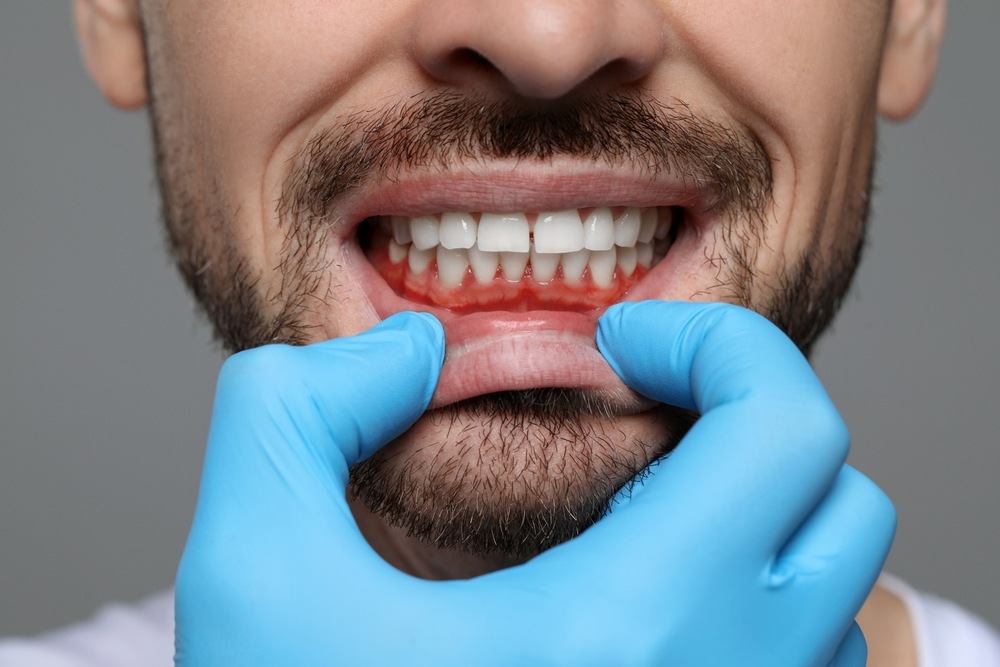
Gum disease may cause the gums to become red, swollen, or sore. Some people may also feel discomfort while brushing or eating. If the irritation is not treated early, the swelling may slowly become worse over time.
Signs may include:
- Tender gums
- Gum pain
- Changes in gum colour
Swelling can take place when bacteria build up around the gums. Early dental care may help reduce irritation and support healthier gums over time.
Bad Breath That Does Not Go Away
Bad breath that continues even after brushing may sometimes be linked to gum disease. Bacteria trapped around the gums may create an ongoing odour in the mouth. Persistent odour may sometimes point to deeper gum health concerns needing attention.
This may happen because of:
- Plaque buildup
- Infection
- Food trapped near the gums
- Poor gum health
Persistent bad breath may be a sign that the gums need closer attention during a dental visit. Professional cleaning may also help improve overall oral freshness and gum health over time.
Gums Pulling Away From Teeth
As gum disease becomes more advanced, the gums may slowly pull away from the teeth. This can create spaces where bacteria may collect more easily. These spaces may become harder to clean properly during daily brushing habits.
Some people may notice:
- Teeth looking longer
- Spaces near the gums
- Sensitivity near the roots
Early dental care may help prevent further gum problems and support healthier teeth and gums.
Loose Teeth Or Changes In Bite
Gum disease may weaken the gums and bone supporting the teeth. In some cases, teeth may feel loose or move slightly. This may also make chewing feel uncomfortable during daily activities.
Signs may include:
- Loose teeth
- Changes while biting
- Teeth shifting position
- Difficulty chewing
These symptoms may suggest that the supporting structures around the teeth are becoming weaker over time. A dentist near you may help identify the condition before more serious dental problems develop later.
Protect Your Gum Health With Early Care
Healthy gums are important for long-term oral health and daily comfort. At Coquitlam Dental Group, patients can discuss gum concerns, oral hygiene habits, and treatment options in a comfortable setting. Booking a visit may help you better understand your gum health and possible next steps.
Frequently Asked Questions
What are the common early signs of gum disease?
Common signs may include bleeding gums, swelling, bad breath, and gum sensitivity.
Can gum disease go away on its own?
Gum disease may continue to worsen without proper dental care and treatment.
Why do my gums bleed while brushing?
Bleeding gums may happen because of irritation, plaque buildup, or early gum disease.
Can gum disease affect my teeth?
Yes. Gum disease may affect the tissues and bone supporting the teeth over time.